Future-Proof Your Build: Construction Choices That Pay Off Long-Term
January 30, 2026
When planning a new construction or major renovation, it’s easy to focus on what looks good today. Trends, finishes, and short-term budgets often drive decisions. But the smartest builds aren’t just designed for now, they’re designed for the future.
Future-proof construction is about making intentional choices that protect your investment, reduce long-term costs, and keep your property functional, efficient, and valuable for years to come. Whether you’re building a home, commercial space, or mixed-use property, the decisions you make during the planning and construction phases can significantly impact long-term building value.
At
JNJ Pro Build Construction Inc., modern construction planning means balancing today’s needs with tomorrow’s realities. In this guide, we’ll explore the construction choices that truly pay off long-term and how to future-proof your build with confidence.
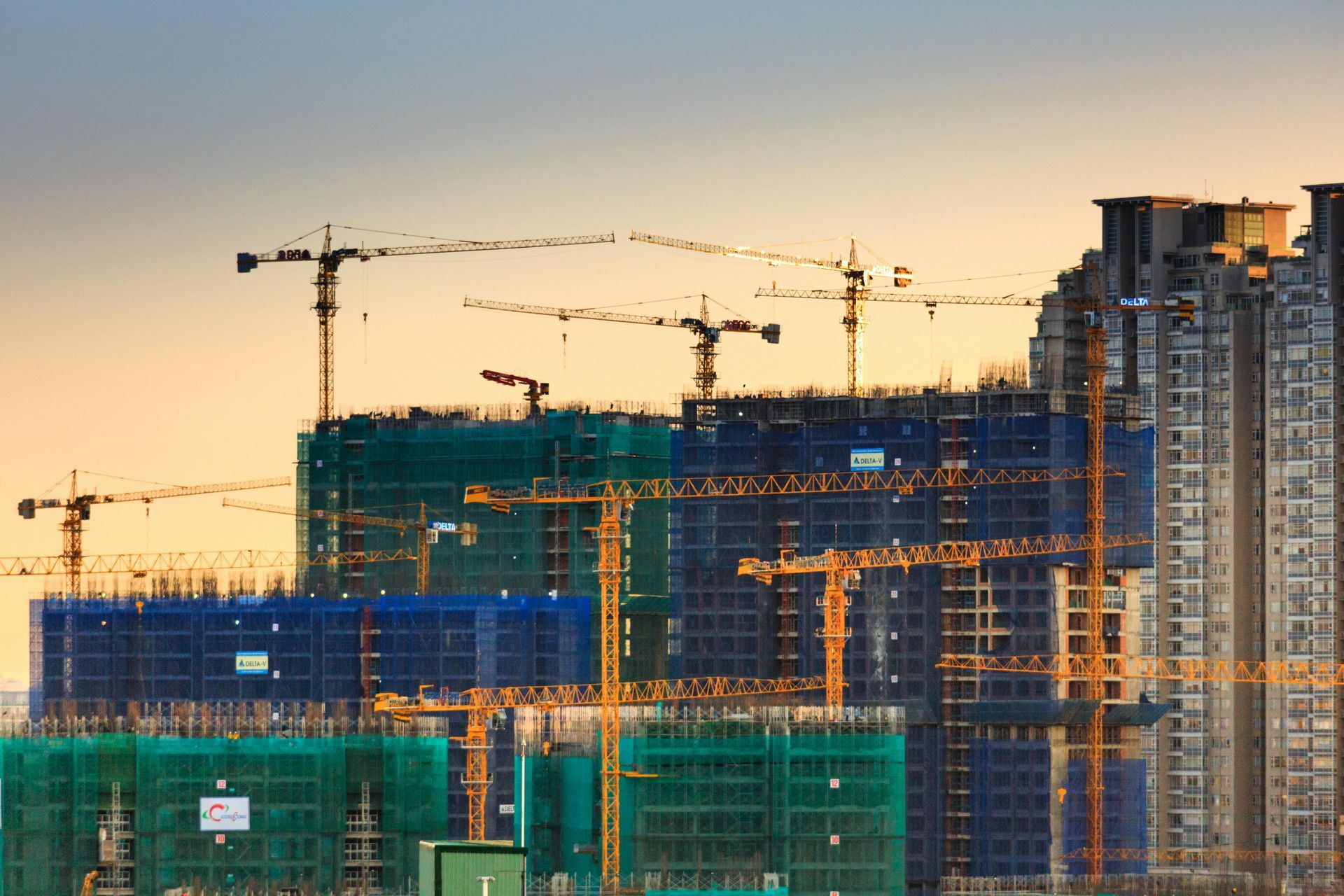
What Does “Future-Proof Construction” Really Mean?
Future-proof construction isn’t about predicting the future, it’s about preparing for it.
A future-proof build:
- Adapts to changing needs
- Reduces maintenance and operating costs
- Supports energy efficiency and sustainability
- Holds its value over time
Instead of reactive upgrades later, proactive planning now saves money and stress.
Why Long-Term Thinking Matters
Short-term savings can lead to:
- Higher utility costs
- Expensive repairs
- Early renovations
- Decreased resale value
Smart construction choices prioritize durability, flexibility, and efficiency which are the key drivers of long-term building value.
Start With Smart Modern Construction Planning
Every successful project begins with planning.
Plan Beyond Today’s Lifestyle or Use
Ask questions like:
- How might this space be used in 10–20 years?
- Will family, business, or tenant needs change?
- Can spaces adapt without major renovations?
Modern construction planning anticipates growth, aging, and evolving technology.
Work With an Experienced Builder Early
Involving a professional builder early helps:
- Identify cost-effective long-term solutions
- Avoid design decisions that limit flexibility
- Align budget with future performance
Experienced contractors like JNJ Pro Build Construction Inc. help clients think strategically from day one.
Choose Durable Materials That Stand the Test of Time
Materials matter more than many people realize.
Invest in Quality Over Cheap Fixes
Durable materials may cost more upfront but reduce:
- Repairs
- Replacements
- Maintenance costs
This directly increases long-term building value.
Examples of Long-Lasting Material Choices are-
- High-quality roofing with longer warranties
- Engineered or treated framing materials
- Fiber cement or masonry siding
- Durable flooring options for high-traffic areas
Choosing materials designed to last is a cornerstone of future-proof construction.
Energy Efficiency: A Long-Term Win
Energy-efficient buildings aren’t just better for the environment, they’re better for your budget.
Why Energy Efficiency Pays Off?
Efficient construction lowers:
- Monthly utility costs
- HVAC strain
- Environmental impact
It also increases property appeal as energy costs rise.
Smart Energy-Efficient Choices
- High-performance insulation
- Energy-efficient windows and doors
- Modern HVAC systems
- Smart thermostats
These features support comfort today and savings tomorrow.
Design for Flexibility and Adaptability
The most valuable buildings are adaptable.
Flexible layouts allow spaces to:
- Serve multiple purposes
- Adjust to changing needs
- Be renovated with minimal cost
This adaptability extends the life of the building.
Structural Planning for Future Changes
Consider:
- Load-bearing wall placement
- Ceiling heights that allow future upgrades
- Space for additional wiring or plumbing
Thoughtful structural planning supports future expansion or reconfiguration.
Future-Proofing Through Technology Readiness
Technology evolves quickly, and buildings should keep up.
Plan for Smart Technology Integration
Even if you don’t install everything now, prepare for:
- Smart home or building systems
- Security and monitoring technology
- Future automation upgrades
Pre-wiring and infrastructure planning reduce future installation costs.
Connectivity Matters
Strong connectivity infrastructure supports:
- Home offices
- Smart devices
- Business operations
Modern construction planning includes robust electrical and data systems.
Build With Sustainability in Mind
Sustainability and long-term value go hand in hand.
Sustainable Choices Reduce Long-Term Costs
Eco-conscious construction supports:
- Lower energy and water bills
- Reduced material waste
- Compliance with future regulations
Sustainable features are increasingly attractive to buyers and tenants.
Examples of Sustainable Construction Features
- Low-flow plumbing fixtures
- Durable, eco-friendly materials
- Efficient lighting systems
- Water management solutions
Sustainability is no longer a trend, it’s an investment strategy.
Don’t Overlook Maintenance Planning
Maintenance is one of the biggest long-term cost factors.
Design for Easy Maintenance
Future-proof construction considers:
- Access to mechanical systems
- Easy-to-clean materials
- Durable finishes in high-use areas
Simplified maintenance reduces long-term expenses and downtime.
Choose Finishes That Age Well
Timeless finishes often outperform trendy ones by:
- Remaining visually appealing longer
- Reducing renovation frequency
- Maintaining resale value
Classic, neutral design choices often support stronger long-term building value.
Build for Comfort and Health
Comfort is a long-term asset.
Indoor Air Quality Matters
Healthy buildings include:
- Proper ventilation
- Moisture control
- Non-toxic materials
Good air quality supports occupant health and satisfaction.
Acoustic and Thermal Comfort
Noise control and temperature regulation:
- Improve daily living and working conditions
- Reduce energy usage
- Enhance overall building performance
Comfort-focused design supports long-term usability.
Think Ahead About Aging and Accessibility
Accessibility is an often-overlooked element of future-proof construction.
Universal Design Adds Long-Term Value
Features like:
- Wider doorways
- Step-free entries
- Accessible bathrooms
Allow buildings to adapt as occupants age or needs change.
Accessibility Supports Broader Use
Accessible design benefits:
- Families
- Commercial tenants
- Future buyers
It increases usability without sacrificing aesthetics.
Budget Strategically for Long-Term Savings
Future-proofing doesn’t mean overspending, it means spending wisely.
Prioritize High-Impact Investments
Focus your budget on:
- Structural integrity
- Energy efficiency
- Systems with high replacement costs
Cosmetic elements can often be updated later more affordably.
Avoid False Savings
Cheap materials or rushed decisions often lead to:
- Repairs
- Replacements
- Reduced lifespan
Smart investments today protect long-term building value.
Work With a Builder Who Understands Long-Term Value
Your contractor plays a critical role in future-proof construction.
Why Builder Experience Matters
An experienced builder:
- Understands material performance over time
- Anticipates future challenges
- Offers practical solutions not just trends
JNJ Pro Build Construction Inc. focuses on construction choices that support durability, efficiency, and long-term performance.
Collaboration Leads to Better Outcomes
When builders, designers, and clients collaborate early:
- Projects run smoother
- Costs are controlled
- Results align with long-term goals
Good communication is essential to modern construction planning.
Common Mistakes That Reduce Long-Term Value
Avoid these pitfalls when planning your build.
Chasing Short-Term Trends
Trends fade but buildings remain.
Skipping Energy or Infrastructure Planning
Retrofits cost more than preparation.
Underestimating Maintenance Needs
Maintenance costs add up quickly without proper planning.
Future-Proof Construction for Residential vs. Commercial Builds
While priorities differ, the principles remain the same.
Residential Build focus on:
- Comfort
- Flexibility
- Energy efficiency
Commercial Builds prioritize:
- Scalability
- Technology readiness
- Operational efficiency
Both benefit from smart, long-term thinking.
Measuring Long-Term Building Value
Long-term value isn’t just resale price.
True Value Includes:
- Lower operating costs
- Reduced repair frequency
- Extended building lifespan
- Ongoing usability
Future-proof construction delivers value year after year.
Build Smart Today for Tomorrow’s Rewards
Future-proofing your build isn’t about overcomplicating the process, it’s about making informed, strategic choices that stand the test of time. From durable materials and energy efficiency to flexible design and smart planning, the decisions you make today shape your building’s performance for decades.
By focusing on future-proof construction, prioritizing long-term building value, and embracing modern construction planning, you protect your investment and create spaces that remain functional, efficient, and desirable well into the future.
At JNJ Pro Build Construction Inc., the goal is simple: build smarter today so you don’t have to fix problems tomorrow. When you’re ready to plan a project that truly pays off long-term, start with choices that are built to last.

Discover how smart deck features, lighting, power, and outdoor smart home integration are shaping modern deck ideas for comfortable, connected outdoor living.
Learn why hiring a licensed deck contractor and trusted local construction company in Anne Arundel County protects your home, safety, and investment in 2026.
Explore real custom deck projects by J&J Pro Build. See a deck renovation showcase that highlights craftsmanship, smart design, and results you can trust.
Discover how modern technology is transforming construction project management, improving construction transparency, and strengthening client communication from planning to completion.
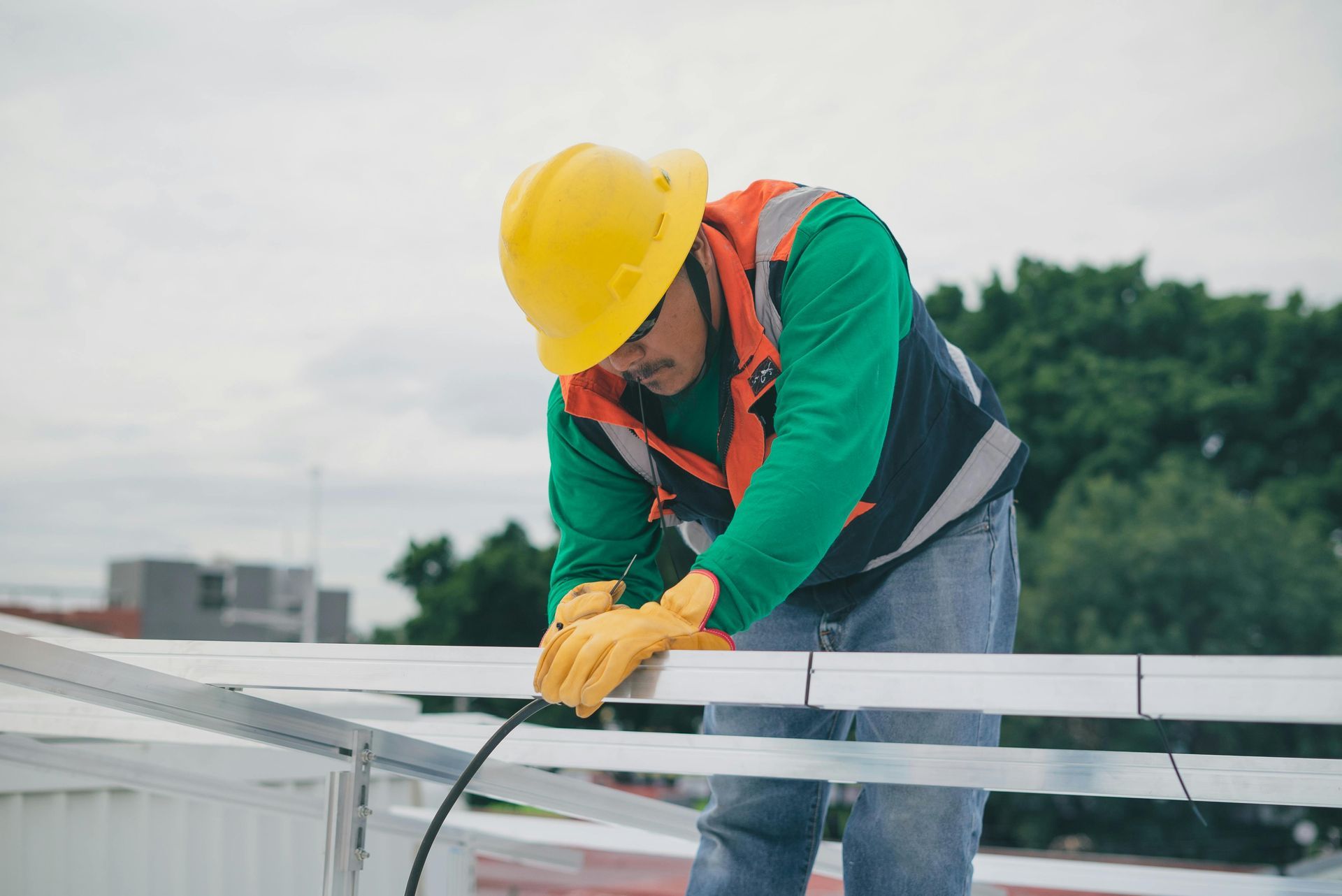
Discover how sustainable construction materials reduce long-term building costs, improve durability, and deliver smart green building solutions for modern eco-friendly construction.
Construction in 2026 looks very different than it did even a decade ago. Rising material costs, labor shortages, tighter timelines, and sustainability goals have pushed builders and property owners to rethink how projects are designed and delivered. One of the biggest questions clients ask today is simple but important: Does modular construction save more money than traditional construction? The answer depends on your goals, timeline, and project type. Understanding the real costs, benefits, and limitations of both approaches can help you make a smarter investment decision. At JNJ Pro Build Construction Inc . , we work with modern construction solutions that prioritize efficiency, quality, and long-term value. Let’s break down modular construction vs traditional building and see which approach truly saves more in 2026.

I was looking at old photos and I saw an image of myself, from a time before I re-found my faith.

It is not easy to see the world through another person's eyes, and we must strive to do that every day.

Use your voice and live by your actions. It is not an easy path, but it is the right one.