Sustainable Materials That Lower Long-Term Building Costs
January 21, 2026
When planning a construction or renovation project, most property owners focus on upfront costs. While initial pricing is important, long-term performance, durability, and maintenance costs often matter far more over the life of a building.
That’s where sustainability comes in.
Using sustainable construction materials isn’t just about helping the environment—it’s also a smart financial decision. Today’s green building solutions are designed to last longer, perform better, and reduce energy and maintenance expenses year after year.
AtJNJ Pro Build Construction Inc., we help clients make informed choices that balance quality, cost-efficiency, and environmental responsibility. In this guide, we’ll explore how eco-friendly construction materials can significantly lower long-term building costs while creating healthier, more resilient structures.
Why Sustainable Building Is a Smart Financial Strategy
Sustainable building has evolved far beyond being a trend. It’s now a proven approach to cost-effective construction.
Buildings constructed with sustainable materials often benefit from:
- Lower energy and utility bills
- Reduced repair and replacement costs
- Longer material life cycles
- Increased property value
- Improved occupant comfort and health
Instead of replacing worn materials every few years, sustainable choices focus on performance and longevity saving money over time.
What Are Sustainable Construction Materials?
Sustainable construction materials are designed to minimize environmental impact while maximizing durability and efficiency.
These materials are often:
- Long-lasting and low-maintenance
- Energy-efficient
- Made from renewable or recycled sources
- Resistant to moisture, pests, and weather damage
When properly selected and installed, these materials support both environmental responsibility and financial savings.
How Sustainable Materials Reduce Long-Term Costs
The true cost of a building isn’t just what you pay upfront, it’s what you spend over decades of use.
Sustainable materials reduce long-term costs by:
- Improving insulation and energy efficiency
- Reducing the frequency of repairs
- Extending the lifespan of building components
- Lowering heating and cooling expenses
Over time, these benefits often outweigh the initial investment.
Energy-Efficient Materials That Save Money
Energy efficiency plays a major role in operating costs. Materials that help regulate temperature reduce reliance on heating and cooling systems.
High-Performance Insulation
Modern insulation materials offer superior thermal performance, keeping indoor temperatures stable year-round.
Benefits include:
- Lower heating and cooling bills
- Reduced HVAC wear and tear
- Improved indoor comfort
Examples include spray foam insulation, rigid foam panels, and cellulose insulation made from recycled materials.
Energy-Efficient Windows and Doors
Windows and doors are major sources of energy loss in traditional buildings.
Sustainable options such as:
- Double- or triple-pane windows
- Low-emissivity (Low-E) glass
- Well-sealed, insulated frames
These features help reduce energy waste and significantly lower utility costs over time.
Durable Building Materials That Minimize Maintenance
Frequent repairs can quickly increase the true cost of a building. Durability is a key factor in cost-effective construction.
Fiber Cement Siding
Fiber cement siding is a popular eco-friendly construction option due to its durability and low maintenance needs.
Advantages include:
- Resistance to rot, pests, and fire
- Long lifespan compared to traditional wood
- Minimal repainting or replacement
This material reduces ongoing maintenance expenses while maintaining curb appeal.
Metal Roofing Systems
Metal roofing has a higher upfront cost than traditional asphalt shingles but the long-term savings are significant.
Benefits include:
- Lifespan of 40–70 years
- Energy-efficient heat reflection
- Minimal maintenance
- Resistance to extreme weather
Fewer replacements and repairs translate into substantial long-term savings.
Sustainable Concrete and Masonry Solutions
Concrete and masonry play a major role in construction costs and longevity.
Low-Carbon and Recycled Concrete
New concrete technologies incorporate recycled materials such as fly ash or slag, reducing environmental impact while maintaining strength.
Benefits include:
- Increased durability
- Lower material waste
- Reduced carbon footprint
These materials support green building solutions without sacrificing structural integrity.
Insulated Concrete Forms (ICFs)
ICFs combine structural strength with insulation in one system.
They offer:
- Exceptional energy efficiency
- Reduced heating and cooling costs
- Long-term durability
ICFs are particularly effective for residential and commercial buildings in varying climates.
Sustainable Flooring That Lasts Longer
Flooring takes constant wear and tear, making durability a major cost factor.
Bamboo and Engineered Wood
Bamboo is a fast-growing renewable resource that offers impressive strength.
Advantages include:
- Resistance to moisture
- Long lifespan
- Modern aesthetic appeal
Engineered wood flooring also provides stability and durability with less material waste than solid hardwood.
Polished Concrete Floors
Polished concrete floors are increasingly popular in both residential and commercial spaces.
Benefits include:
- Extremely long lifespan
- Minimal maintenance
- Reduced need for additional flooring materials
Over time, polished concrete can be one of the most cost-effective flooring solutions available.
Eco-Friendly Exterior Materials That Withstand the Elements
Exterior materials face constant exposure to weather, sunlight, and temperature changes. Sustainable options are designed to endure these conditions.
Composite decking uses recycled materials and requires far less maintenance than traditional wood.
Benefits include:
- No staining or sealing
- Resistance to rot and insects
- Long-lasting appearance
This reduces ongoing upkeep costs while supporting eco-friendly construction practices.
Sustainable Cladding Systems
Modern cladding systems improve insulation while protecting building exteriors.
They help:
- Reduce energy loss
- Extend structural lifespan
- Improve moisture control
These benefits result in lower maintenance and repair costs over time.
Water-Efficient Building Materials and Systems
Water usage impacts utility costs just as much as energy consumption.
Sustainable construction can incorporate:
- Low-flow plumbing fixtures
- Rainwater collection systems
- Permeable paving materials
Reducing water usage lowers monthly bills and protects long-term infrastructure.
Healthier Buildings Reduce Hidden Costs
Indoor air quality and occupant health also affect long-term expenses.
Sustainable materials often:
- Emit fewer harmful chemicals
- Reduce mold and moisture issues
- Improve ventilation efficiency
Healthier buildings can lead to fewer repairs, improved productivity, and greater tenant satisfaction especially in commercial spaces.
Green Building Solutions Increase Property Value
Buildings constructed with sustainable materials often have higher resale value and appeal to modern buyers.
Buyers increasingly look for:
- Energy efficiency
- Lower operating costs
- Durable, low-maintenance features
Investing in green building solutions can provide strong returns when it’s time to sell or lease.
Practical Tips for Choosing Sustainable Materials
Choosing the right materials doesn’t have to be complicated.
- Focus on Lifecycle Costs
- Consider how long materials will last and what maintenance they require—not just initial price.
- Work With Experienced Builders
- Experienced contractors understand how materials perform in real-world conditions.
- Balance Sustainability With Function
The best materials meet both environmental and performance needs.
At JNJ Pro Build Construction Inc., we guide clients through these decisions to ensure maximum value.
Sustainability Doesn’t Mean Sacrificing Quality
One common misconception is that sustainable materials compromise strength or appearance.
In reality, many eco-friendly construction options:
- Outperform traditional materials
- Offer modern, attractive designs
- Meet or exceed building standards
Sustainability and quality go hand in hand.
The Long-Term Payoff of Sustainable Construction
When viewed over 10, 20, or 30 years, sustainable construction materials consistently prove their value.
Long-term benefits include:
- Lower total ownership costs
- Reduced environmental impact
- Increased comfort and efficiency
- Stronger, longer-lasting structures
This makes sustainable construction a smart investment not an expense.
Why Work With JNJ Pro Build Construction Inc.
Choosing the right materials is just as important as choosing the right builder.
JNJ Pro Build Construction Inc. is committed to:
- High-quality craftsmanship
- Cost-effective construction solutions
- Responsible building practices
- Long-term client satisfaction
We help clients build smarter today for stronger results tomorrow.
Build Smarter, Save More Over Time
Sustainable construction materials are more than an environmentally responsible choice, they are a financially sound one. By investing in durable, energy-efficient, and low-maintenance materials, property owners can significantly reduce long-term building costs while improving comfort and value.
From insulation and roofing to flooring and exterior systems, eco-friendly construction supports efficiency, durability, and sustainability for years to come.
Building smarter today means saving more tomorrow.
If you’re planning a new build or renovation and want to explore green building solutions that deliver lasting value, contact JNJ Pro Build Construction Inc. Our team is ready to help you choose sustainable materials that protect your investment and support long-term success.

Discover how smart deck features, lighting, power, and outdoor smart home integration are shaping modern deck ideas for comfortable, connected outdoor living.
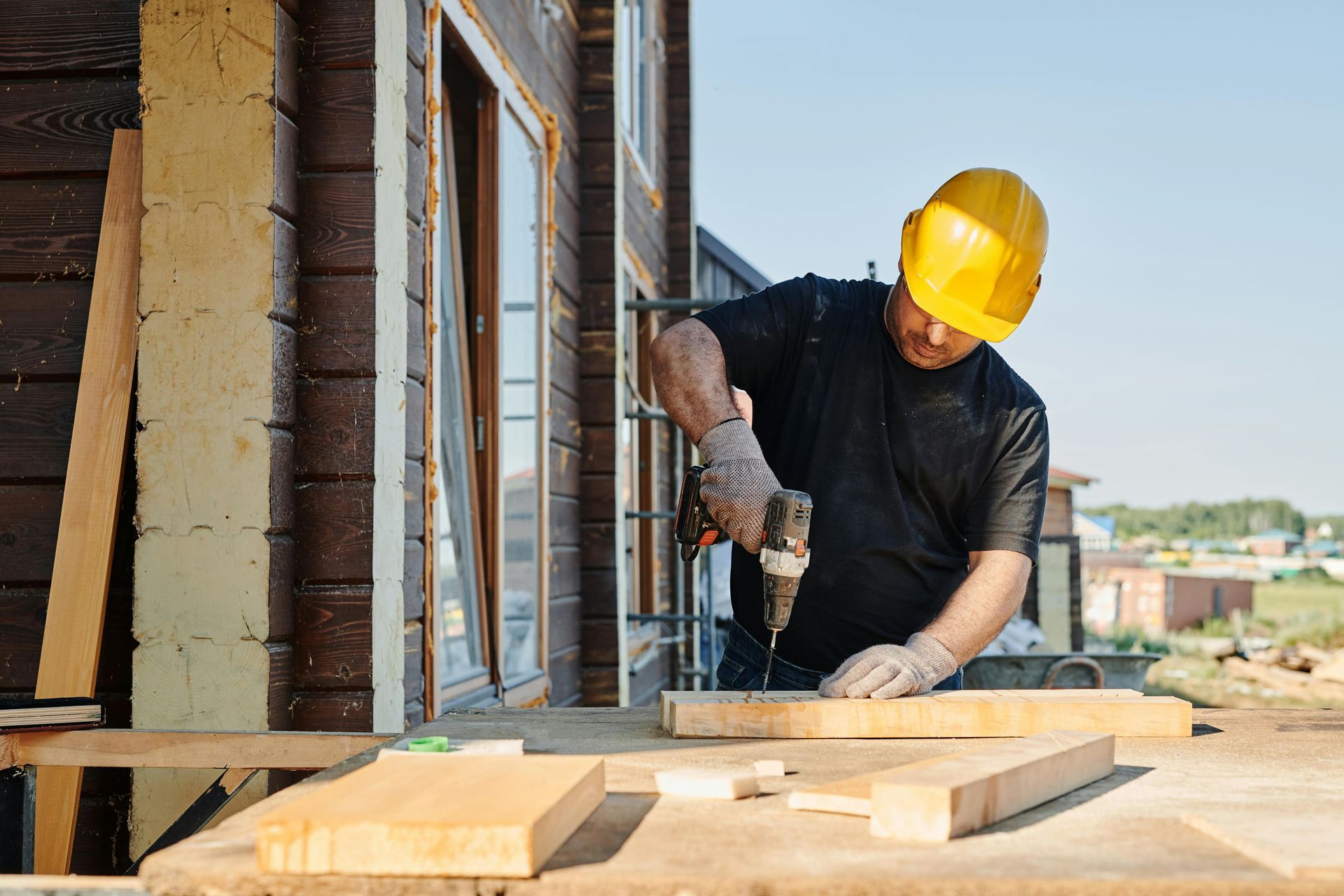
Learn why hiring a licensed deck contractor and trusted local construction company in Anne Arundel County protects your home, safety, and investment in 2026.
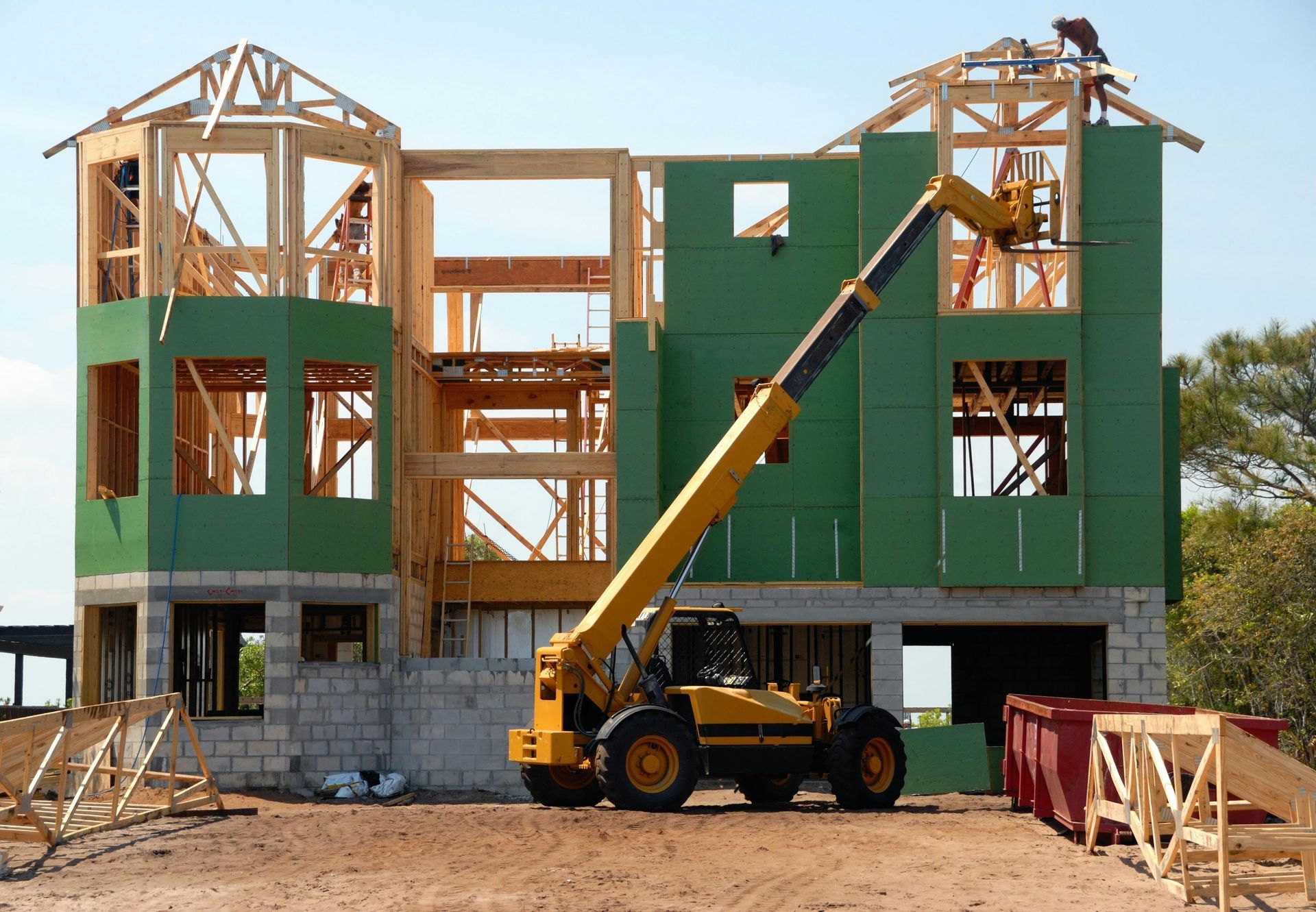
Explore real custom deck projects by J&J Pro Build. See a deck renovation showcase that highlights craftsmanship, smart design, and results you can trust.
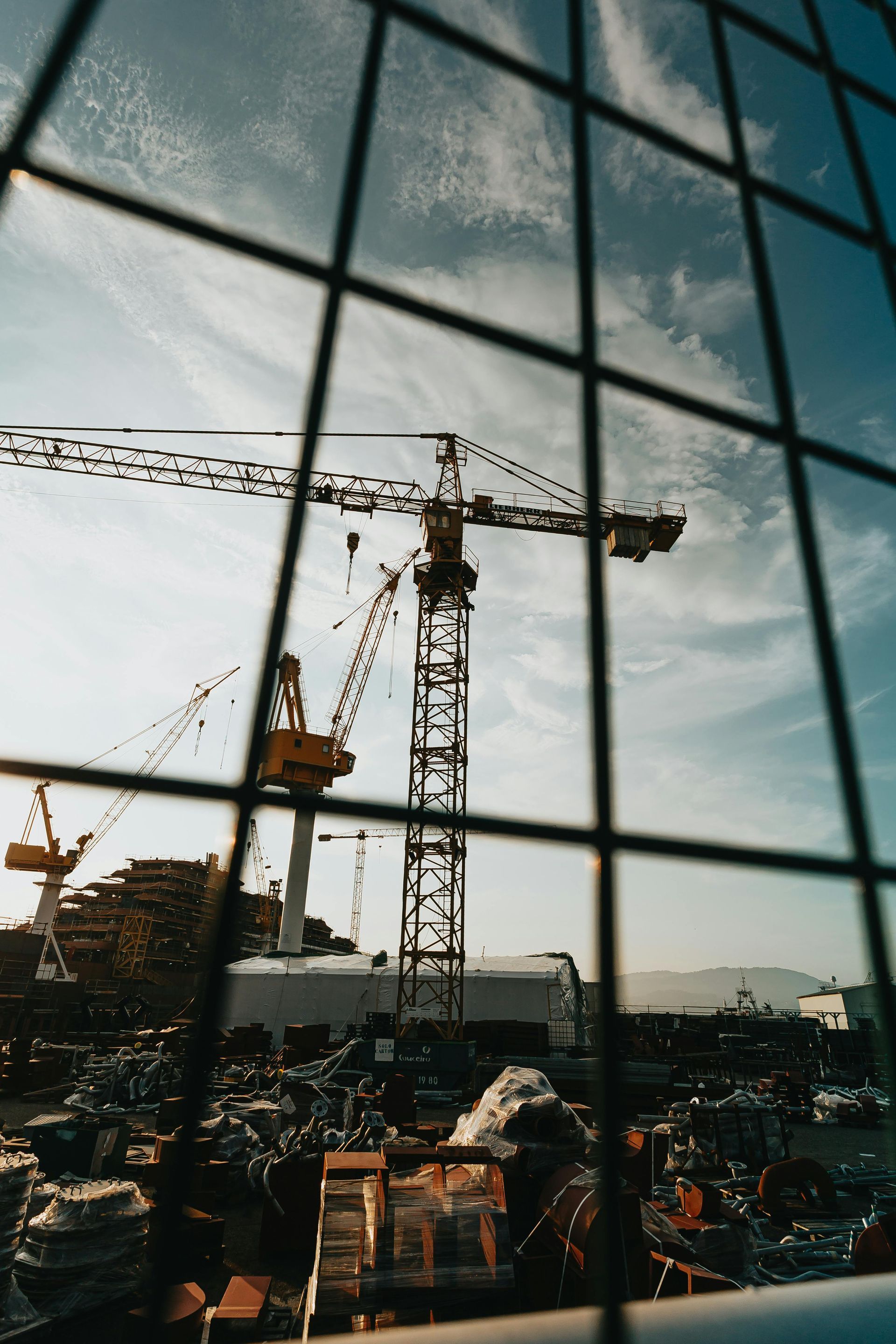
Discover how modern technology is transforming construction project management, improving construction transparency, and strengthening client communication from planning to completion.
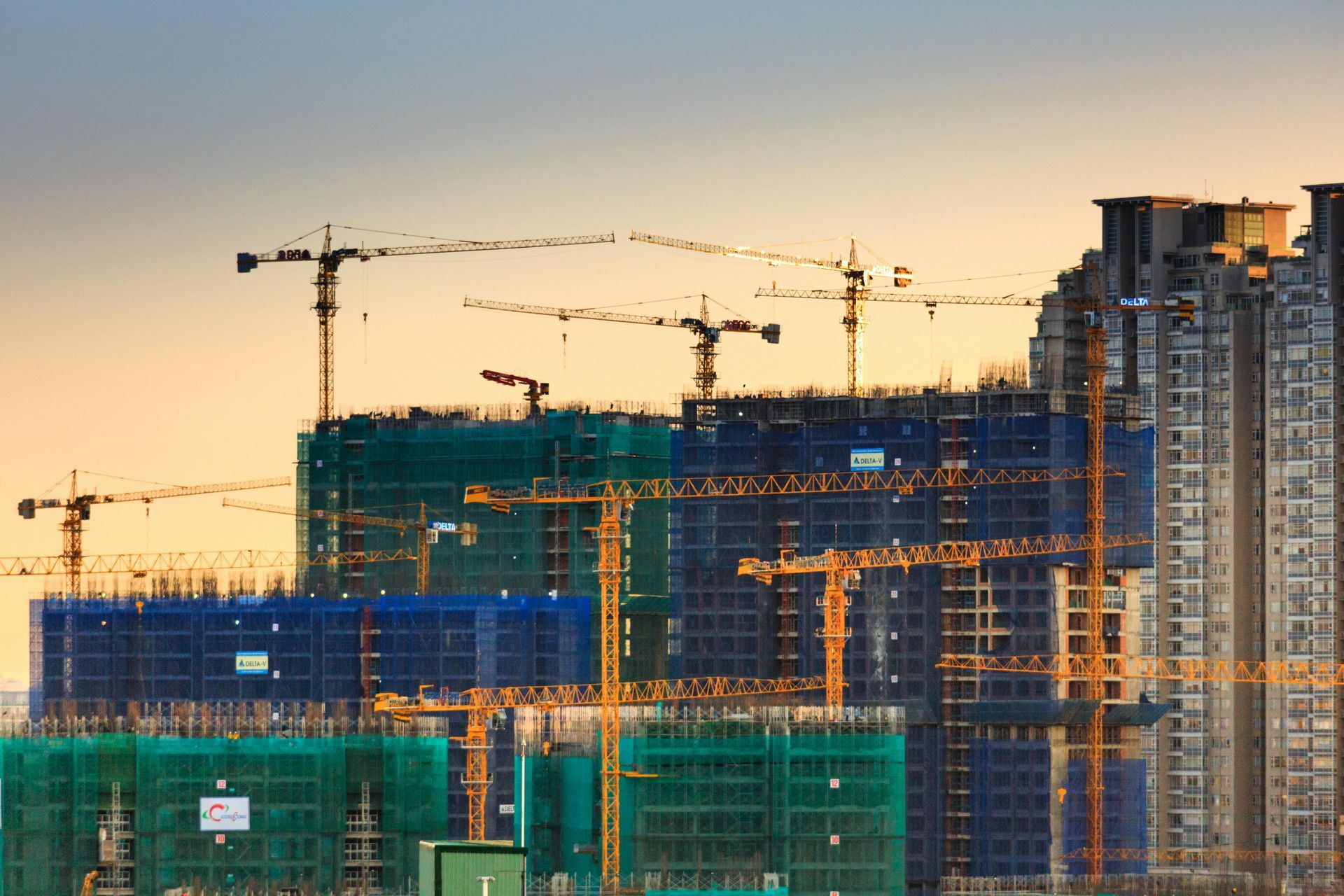
Discover smart construction choices that increase long-term building value. Learn how future-proof construction and modern construction planning save money and protect your investment.
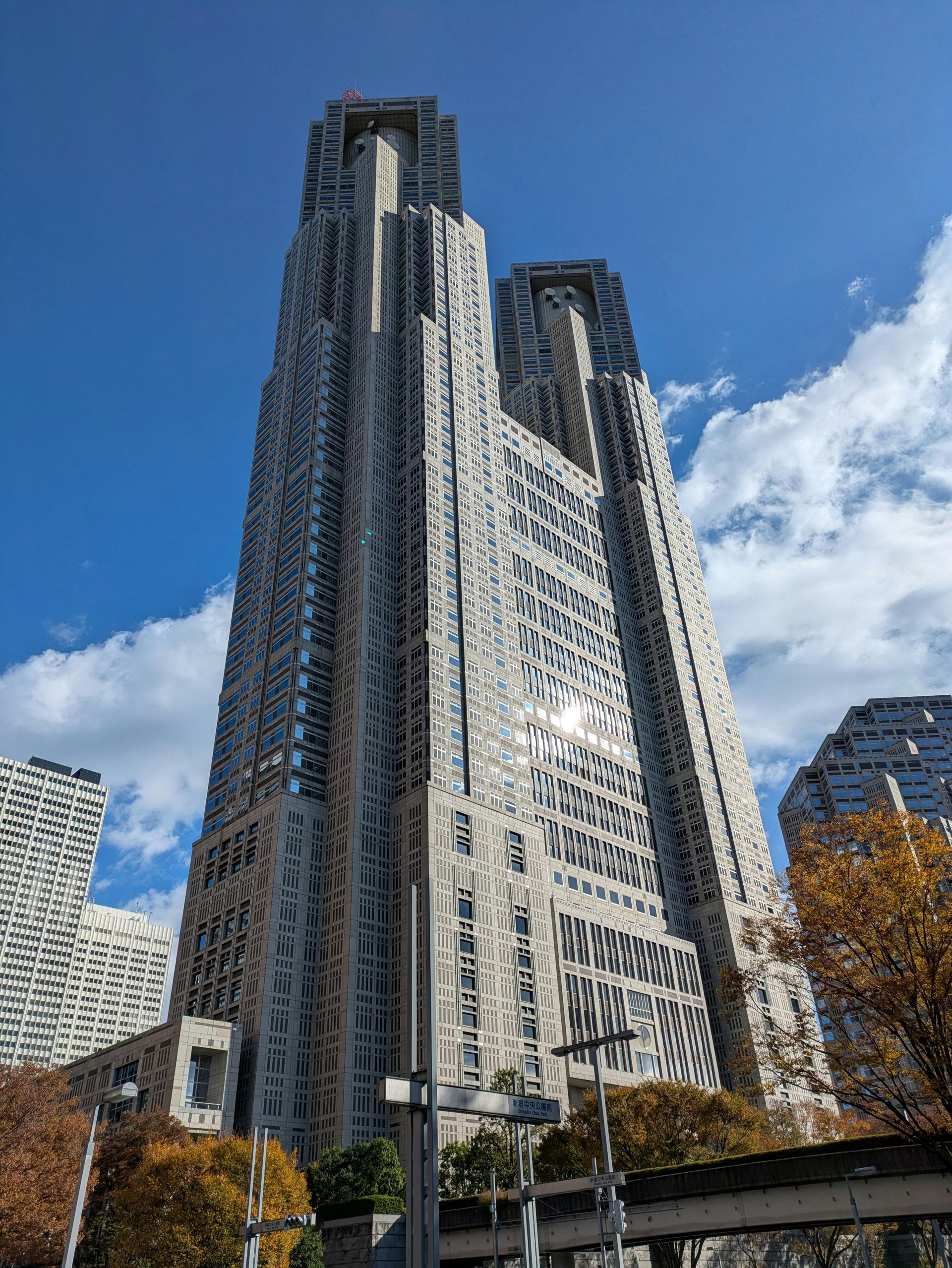
Construction in 2026 looks very different than it did even a decade ago. Rising material costs, labor shortages, tighter timelines, and sustainability goals have pushed builders and property owners to rethink how projects are designed and delivered. One of the biggest questions clients ask today is simple but important: Does modular construction save more money than traditional construction? The answer depends on your goals, timeline, and project type. Understanding the real costs, benefits, and limitations of both approaches can help you make a smarter investment decision. At JNJ Pro Build Construction Inc . , we work with modern construction solutions that prioritize efficiency, quality, and long-term value. Let’s break down modular construction vs traditional building and see which approach truly saves more in 2026.

I was looking at old photos and I saw an image of myself, from a time before I re-found my faith.

It is not easy to see the world through another person's eyes, and we must strive to do that every day.

Use your voice and live by your actions. It is not an easy path, but it is the right one.