Modular vs Traditional Construction: What Saves More in 2026?
Construction in 2026 looks very different than it did even a decade ago. Rising material costs, labor shortages, tighter timelines, and sustainability goals have pushed builders and property owners to rethink how projects are designed and delivered.
One of the biggest questions clients ask today is simple but important:
Does modular construction save more money than traditional construction?
The answer depends on your goals, timeline, and project type. Understanding the real costs, benefits, and limitations of both approaches can help you make a smarter investment decision.
At
JNJ Pro Build Construction Inc., we work with modern construction solutions that prioritize efficiency, quality, and long-term value. Let’s break down modular
construction vs traditional building and see which approach truly saves more in 2026.
Understanding the Two Construction Methods
What Is Traditional Construction?
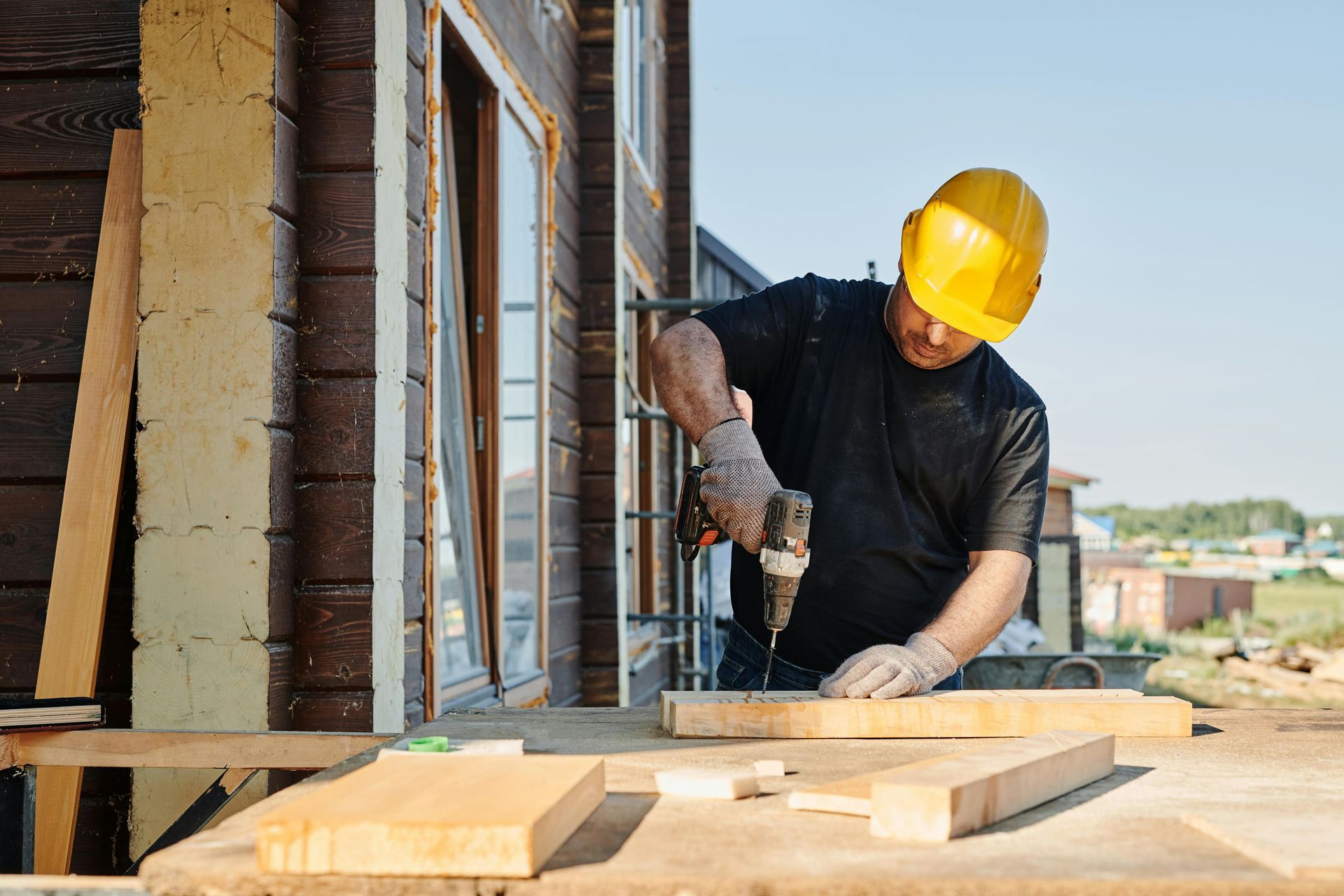
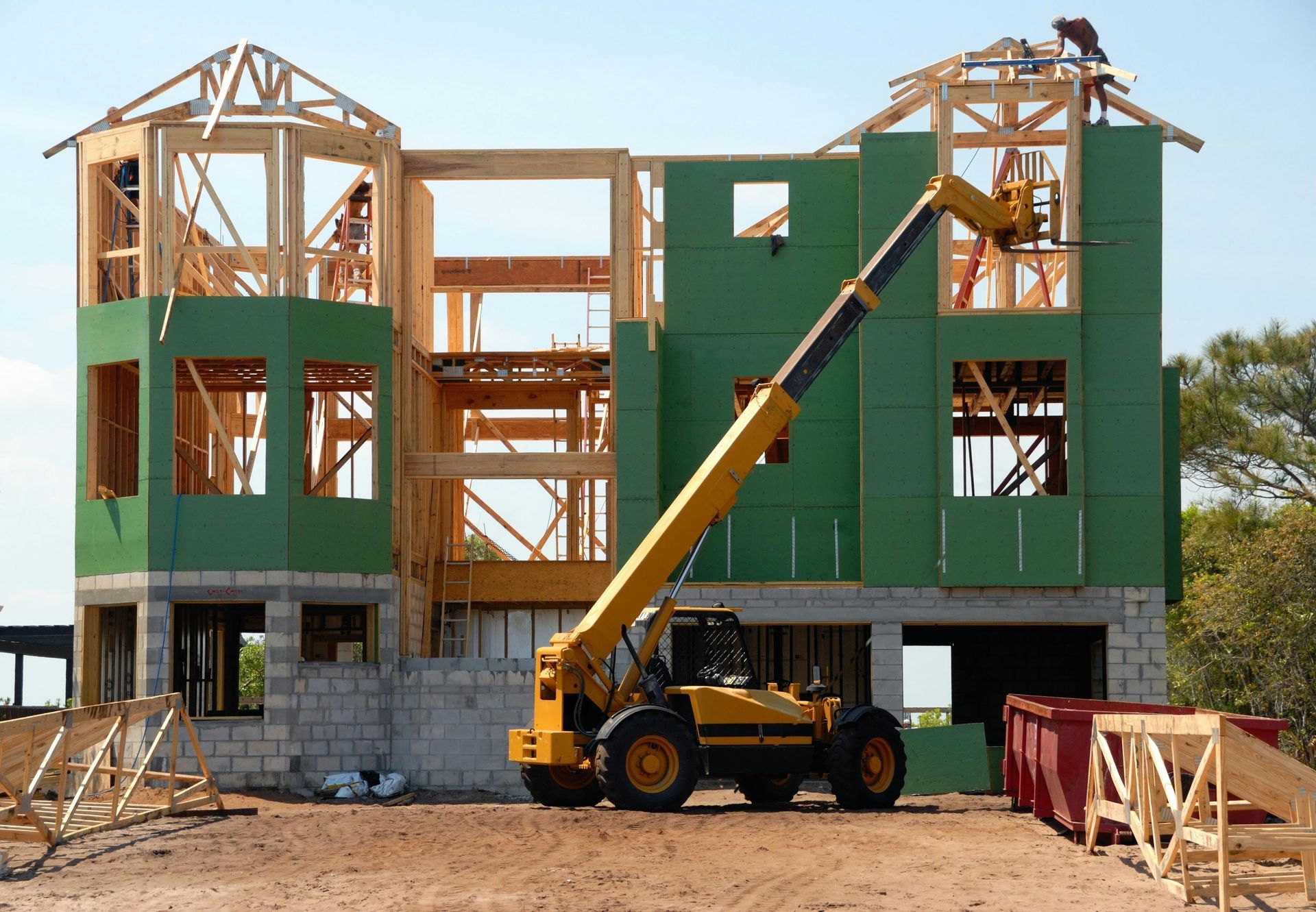
Traditional construction, also known as stick-built construction, involves building a structure entirely on-site from the ground up. Materials are delivered as needed, and construction progresses sequentially foundation, framing, roofing, electrical, plumbing, and finishing.
Common characteristics include:
- Fully on-site labor
- Linear construction timelines
- Greater exposure to weather delays
- High customization flexibility
This method has been the industry standard for decades and remains popular for custom homes and complex architectural designs.
What Is Modular Construction?
Modular construction is a type of modern construction method where sections (modules) of a building are manufactured in a controlled factory environment and then transported to the job site for assembly.
Key features include:
- Off-site fabrication
- Faster build timelines
- Reduced material waste
- Predictable costs
Modular buildings must meet the same building codes as traditional construction, but the process is fundamentally different.
Cost Breakdown: Where the Money Really Goes
Upfront Construction Costs
When comparing modular construction vs traditional building, upfront costs are often the first consideration.
Traditional construction costs may increase due to:
- Weather-related delays
- On-site labor inefficiencies
- Material price fluctuations
- Extended project timelines
Modular construction often reduces costs by:
- Purchasing materials in bulk
- Minimizing labor downtime
- Shortening overall build time
- Reducing waste
In many 2026 projects, modular construction can save 10–20% on initial build costs, depending on scale and design.
Labor Costs in 2026
Labor shortages continue to impact the construction industry. Skilled trades are in high demand, driving wages higher especially for on-site labor.
Traditional builds rely heavily on local labor availability, which can cause:
- Scheduling delays
- Increased labor rates
- Extended timelines
Modular construction, by contrast, centralizes much of the labor in factories, where:
- Productivity is higher
- Work is not weather-dependent
- Labor costs are more predictable
This makes modular construction especially appealing for budget-conscious projects in 2026.
Time Is Money: Comparing Build Timelines
Traditional Construction Timelines
A traditional build can take anywhere from 6 to 12 months (or more), depending on complexity and conditions.
Delays often occur due to:
- Weather
- Material shortages
- Trade scheduling conflicts
Longer timelines mean higher financing costs, extended site management expenses, and delayed occupancy.
Modular Construction Timelines
Modular construction allows site preparation and building fabrication to happen simultaneously.
Typical advantages include:
- Project timelines reduced by 30–50%
- Faster return on investment
- Earlier occupancy or rental income
For commercial developers and investors, this time savings alone can translate into significant financial benefits.
Quality and Durability: Which Holds Up Better?
Build Quality in Traditional Construction
Traditional construction allows for hands-on craftsmanship and design flexibility.
However, quality can vary depending on:
- Crew experience
- Weather exposure
- On-site conditions
Mistakes or inconsistencies may lead to higher maintenance costs over time.
Modular Construction Quality Standards
Modular buildings are constructed indoors under strict quality controls.
Benefits include:
- Consistent construction standards
- Precision-engineered components
- Reduced moisture exposure during build
Many modular structures exceed traditional standards because they must withstand transportation and lifting resulting in stronger frames.
Prefab Building Benefits Beyond Cost
Sustainability and Waste Reduction
Sustainability is a major factor in 2026 construction decisions.
Prefab building benefits include:
- Up to 90% less material waste
- Energy-efficient designs
- Reduced site disturbance
Traditional construction often produces more waste and requires more on-site cleanup and disposal.
Energy Efficiency and Long-Term Savings
Modular buildings are often designed with:
- Tighter building envelopes
- Better insulation
- Energy-efficient windows and systems
These features lower utility costs over time, adding to long-term savings beyond initial construction.
Customization and Design Flexibility
Is Modular Construction Limiting?
One common misconception is that modular buildings lack customization.
While early modular designs were limited, modern systems now allow for:
- Custom layouts
- Multiple stories
- High-end finishes
- Commercial and residential applications
However, highly complex architectural designs may still favor traditional construction.
When Traditional Construction Makes More Sense
Traditional construction may be better for:
- One-of-a-kind luxury homes
- Complex site conditions
- Highly customized architectural projects
In these cases, the added flexibility may justify the higher cost.
Practical Tips for Choosing the Right Method
Ask These Questions Before Deciding
Before choosing between modular and traditional construction, consider:
- What is your budget range?
- How important is speed to completion?
- Is long-term energy efficiency a priority?
- How complex is your design?
- What are local zoning and permitting requirements?
A professional contractor can help evaluate these factors early in the planning process.
Work With an Experienced Builder
Regardless of method, the success of your project depends on expertise.
An experienced construction partner helps:
- Prevent costly mistakes
- Navigate permits and codes
- Optimize materials and timelines
- Ensure quality craftsmanship
This is where working with a trusted company like JNJ Pro Build Construction Inc. makes a measurable difference.
What Saves More in 2026?
So what actually saves more in 2026?
For many residential and commercial projects, modular construction offers clear cost and time advantages, especially when speed, efficiency, and sustainability matter most. Lower labor costs, faster completion, and long-term energy savings make it a strong contender.
That said, traditional construction still holds value for highly customized builds and complex designs.
The best choice isn’t universal, it’s strategic.
Building Smarter in 2026
Construction in 2026 is about more than just building, it’s about building smarter. Whether you’re considering modular or traditional methods, understanding the real costs, benefits, and timelines empowers you to make confident decisions.
At JNJ Pro Build Construction Inc., we specialize in guiding clients through modern construction methods that align with their goals, budget, and vision. If you’re planning a project and want expert insight into what will save you more now and long term we’re here to help.
Let’s build something efficient, durable, and future-ready—together. 🏗️